


Technical and Contracting Company
Technical and Contracting Company with Electromechanical companies Company
Modern construction and industrial projects require more than individual specialists. They need coordinated teams that understand engineering, installation, maintenance, project management, and contractual responsibilities. A reliable Technical and Contracting Company can bring these requirements together under one structured approach, helping clients manage complex projects with greater efficiency and consistency.
Electromechanical work is especially important because electrical and mechanical systems form the operational foundation of commercial buildings, industrial facilities, infrastructure projects, and large developments. From power distribution and lighting to HVAC, plumbing, fire protection, and equipment installation, these systems must work together correctly. Choosing a company with technical and contracting capabilities can therefore simplify project delivery while supporting quality, safety, and long-term performance.
Understanding the Role of a Technical and Contracting Company
A Technical and Contracting Company typically provides a combination of engineering support, procurement, installation, project coordination, and maintenance. Instead of depending on several disconnected service providers, clients can work with one organization capable of coordinating different technical requirements.
This integrated approach can be particularly useful for projects involving multiple disciplines. Electrical systems may need to connect with mechanical equipment, while HVAC, fire protection, plumbing, and building controls must operate within the same structure. Proper coordination reduces conflicts between systems and helps ensure that installation activities follow the approved plans and project requirements.
A capable contractor also understands the importance of schedules and budgets. Technical decisions can affect procurement, installation time, manpower, and operating costs. Coordinating these areas from the beginning can make project execution more organized.
Building Reliable Systems Through Contracting Services
Professional Contracting Services cover much more than physical installation. They can include planning, material sourcing, manpower management, site supervision, testing, commissioning, and project handover. Each stage contributes to the overall performance of a completed facility.
For electromechanical projects, careful procurement is essential. Equipment and materials must meet technical specifications, compatibility requirements, applicable standards, and project schedules. Delays in one system can affect several other trades, which makes coordinated procurement and scheduling important.
Site management is equally significant. Skilled supervisors monitor installation activities, coordinate workers, address technical issues, and maintain communication with project stakeholders. Effective supervision helps keep work aligned with drawings, specifications, safety procedures, and agreed timelines.
Contracting Services can also extend to renovation and upgrading projects. Existing buildings often require careful planning because new equipment must be integrated with systems that are already operating. A contractor with broad technical knowledge can assess existing conditions and develop practical solutions for upgrades.
Supporting Operations With Technical Services
After installation, buildings and industrial facilities need continued attention. Technical Services help maintain the reliability and efficiency of electrical, mechanical, and electromechanical systems throughout their operating life.
Preventive maintenance is one of the most valuable aspects of technical support. Regular inspection and servicing can identify developing problems before they result in major equipment failures. Electrical panels, generators, HVAC equipment, pumps, control systems, and other installations can all benefit from scheduled maintenance.
Corrective maintenance is also important when unexpected problems occur. A responsive technical team can inspect the affected system, identify the source of the problem, and carry out appropriate repairs. Fast response can help reduce downtime and protect business operations.
Technical Services may also include testing, commissioning, troubleshooting, system upgrades, and performance assessments. These services become increasingly important as buildings become more dependent on automated controls, energy-management systems, and interconnected equipment.
Coordinating Electromechanical Work for Complex Projects
Electromechanical systems involve several specialized disciplines that must operate together. Electrical installations provide power, mechanical systems support heating, cooling, ventilation, and equipment operation, while plumbing and fire-protection systems provide essential building functions and safety.
Coordination is therefore a major consideration. Poorly planned installations can lead to space conflicts, difficult maintenance access, inefficient operation, or costly modifications. Effective coordination begins during design and continues throughout procurement and construction.
Experienced project teams review drawings, installation requirements, equipment specifications, and site conditions before work progresses. They can identify potential conflicts and coordinate solutions with consultants, suppliers, and other contractors.
Testing and commissioning provide another important layer of quality control. Systems should be inspected and tested to confirm that they perform according to project requirements. Proper documentation during this stage also gives facility owners useful information for future maintenance.
Delivering Practical Solutions Through Al Badran Group
Al Badran Group represents the type of integrated business approach that can bring technical and contracting activities together for clients seeking coordinated project support. A group operating across technical and electromechanical fields can help connect different project requirements instead of treating every discipline as a separate activity.
For clients, this type of structure can make communication easier. Clear responsibility is valuable when projects involve several systems, suppliers, engineers, and installation teams. Having an experienced organization coordinate these activities can provide a more organized path from planning through completion.
The value of an integrated approach also extends beyond new construction. Existing facilities require maintenance, modernization, replacement of aging equipment, and improvements to system performance. A technically capable contracting partner can support these needs while considering the existing infrastructure.
Why Electromechanical Expertise Matters in Modern Buildings
Modern buildings depend heavily on electromechanical infrastructure. Reliable electricity, climate control, water systems, fire protection, ventilation, and automation all contribute to occupant comfort, safety, and operational continuity.
Energy efficiency has also become an important consideration. Efficient HVAC equipment, intelligent controls, properly designed electrical systems, and regular maintenance can influence energy consumption. Technical teams can help identify opportunities to improve system performance while considering the practical requirements of the facility.
Industrial environments may have even more demanding requirements. Production equipment, specialized machinery, power systems, ventilation, cooling, and control infrastructure often need to operate continuously. Installation quality and maintenance planning can therefore have a direct effect on productivity.
Focusing on Quality, Safety, and Coordination Technical Services
Quality and safety should remain central to every electromechanical project. Installation teams need to follow approved specifications, appropriate safety procedures, and applicable technical requirements. Regular inspections can help identify problems before systems are placed into service.
Documentation is another essential part of professional project delivery. Drawings, equipment information, testing records, maintenance instructions, and commissioning reports can provide valuable references after project completion.
Strong communication also supports quality. Engineers, supervisors, technicians, suppliers, and clients need to understand responsibilities and project expectations. Regular coordination can reduce misunderstandings and help technical issues receive timely attention.
Creating Long-Term Value Through Contracting Services
A successful project should provide value beyond its completion date. Equipment needs to remain serviceable, systems need to operate efficiently, and facility owners need access to appropriate technical support when problems arise.
This is why maintenance planning should be considered from the beginning of a project. Selecting accessible equipment, maintaining accurate documentation, and establishing service schedules can make future maintenance more manageable.
For clients searching for a dependable Technical and Contracting Company, the ability to combine installation, engineering coordination, maintenance, and technical support can be an important consideration. An integrated provider can help simplify complex requirements while supporting the long-term performance of electromechanical systems.
A Coordinated Approach for Growing Project Needs Al Badran Group
The demand for reliable electromechanical infrastructure continues to grow across commercial, industrial, residential, and infrastructure developments. Projects increasingly require organizations that can understand several technical disciplines and coordinate them effectively.
A structured approach combining engineering, contracting, installation, commissioning, and maintenance can help clients manage these requirements more efficiently. With appropriate planning and experienced technical teams, electromechanical systems can be designed, installed, maintained, and upgraded to support changing operational needs.
Al Badran Group can serve as a central point for clients seeking coordinated technical and contracting support. By bringing different capabilities together, the focus remains on practical execution, system reliability, project coordination, and lasting value.
Why Choose Technical and Contracting Company with Electromechanical companies Company
Modern construction, industrial, commercial, and infrastructure projects depend on reliable technical expertise and well-coordinated electromechanical systems. From electrical installations and HVAC systems to plumbing, fire protection, maintenance, and building management solutions, every component must work together efficiently. Choosing the right technical and contracting partner can therefore have a direct impact on project quality, safety, cost, and long-term performance.
A professional technical and contracting company provides more than individual services. It brings together skilled professionals, project management experience, technical knowledge, quality control, and practical solutions under one coordinated approach. This makes it easier for clients to manage complex requirements while maintaining consistent standards throughout the project.
Complete Project Support from Planning to Completion Technical and Contracting Company
One of the main advantages of working with an experienced technical and contracting company is having support throughout the project lifecycle. Instead of coordinating several independent contractors, clients can work with one team responsible for multiple technical requirements.
A capable contractor can assist with project planning, technical assessments, installation, testing, commissioning, and maintenance. This integrated approach can reduce communication gaps and make project coordination more straightforward.
It also allows technical decisions to be considered early. For example, electrical loads, ventilation requirements, plumbing routes, fire safety systems, and equipment locations can be coordinated before installation begins. Proper planning helps reduce avoidable changes and supports smoother project execution.
Professional Installation and Reliable Workmanship Contracting Services
Quality installation is essential for the performance and durability of electromechanical systems. Even high-quality equipment can experience problems when it is incorrectly installed, poorly coordinated, or inadequately tested.
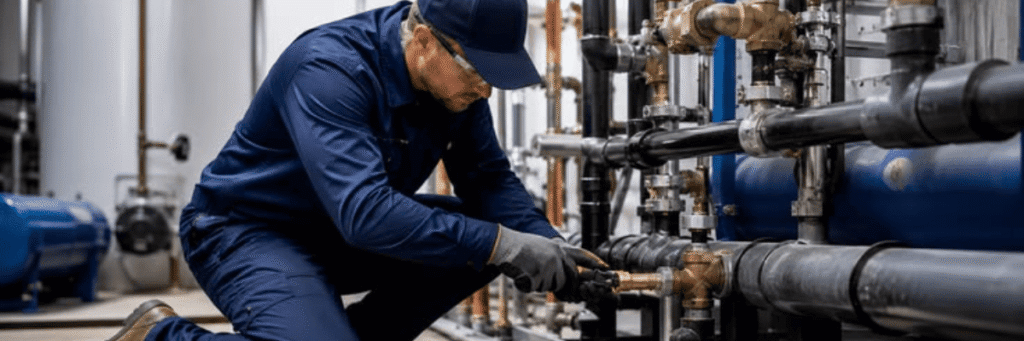
Professional contracting services use trained technicians, established procedures, and appropriate tools to complete installation work according to project requirements. Teams can handle activities such as electrical works, mechanical installations, HVAC systems, plumbing, fire protection, and related infrastructure.
Good workmanship also contributes to long-term value. Correct installation can help equipment operate efficiently, reduce unnecessary repairs, and support safer working and operating conditions. A structured contracting process also makes it easier to inspect completed work and identify issues before a system becomes fully operational.
Specialized Expertise for Complex Systems Technical Services
Electromechanical projects often involve systems that require specialized knowledge. Electrical distribution, air-conditioning systems, pumps, generators, controls, ventilation equipment, and fire protection systems all have different technical requirements.
Technical services provide the expertise needed to install, inspect, troubleshoot, repair, and maintain these systems. Experienced technical teams can assess system requirements and recommend practical solutions based on the project’s application.
Maintenance is particularly important after installation. Regular inspections and preventive maintenance can help identify worn components, performance issues, and potential failures at an earlier stage. This proactive approach can reduce unexpected downtime and help extend the useful life of equipment.
Better Coordination Between Electrical and Mechanical Systems Al Badran Group
Electromechanical systems rarely operate independently. Electrical systems may supply power to mechanical equipment, while mechanical systems can depend on controls, sensors, and automated electrical components. Poor coordination between these areas can create delays and operational problems.
A company with experience in both technical and electromechanical work can coordinate different disciplines more effectively. Electrical and mechanical teams can communicate during design reviews, installation, testing, and commissioning.
For clients, this integrated coordination can simplify project management. Instead of treating every technical system as a separate responsibility, the project can be approached as one connected operational environment. This is particularly useful for large commercial buildings, industrial facilities, warehouses, hospitals, hotels, and other properties with demanding infrastructure.
Focus on Safety and Project Standards Technical and Contracting Company
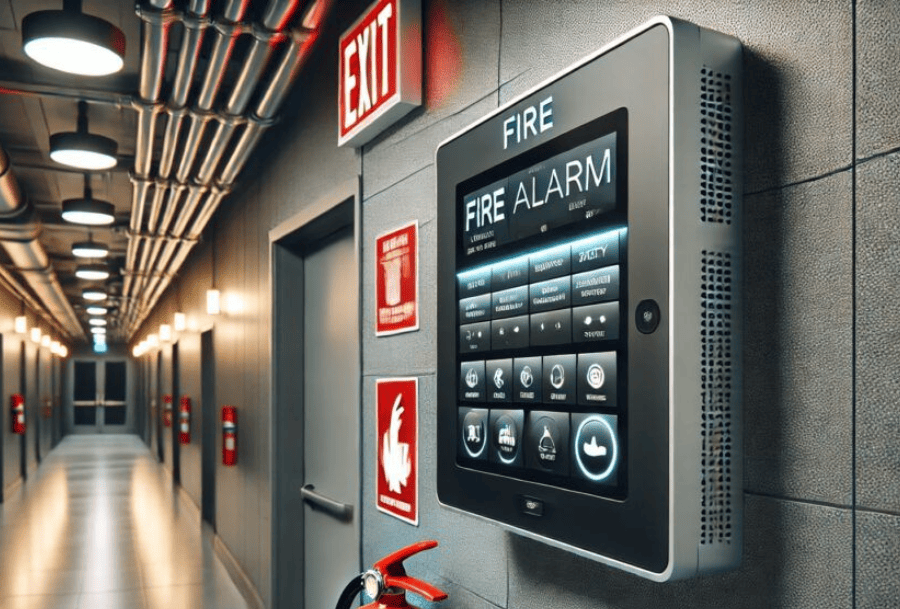
Safety should remain a fundamental consideration throughout any technical or contracting project. Electrical installations, mechanical equipment, HVAC systems, plumbing networks, and fire protection infrastructure must be installed and maintained carefully to minimize operational risks.
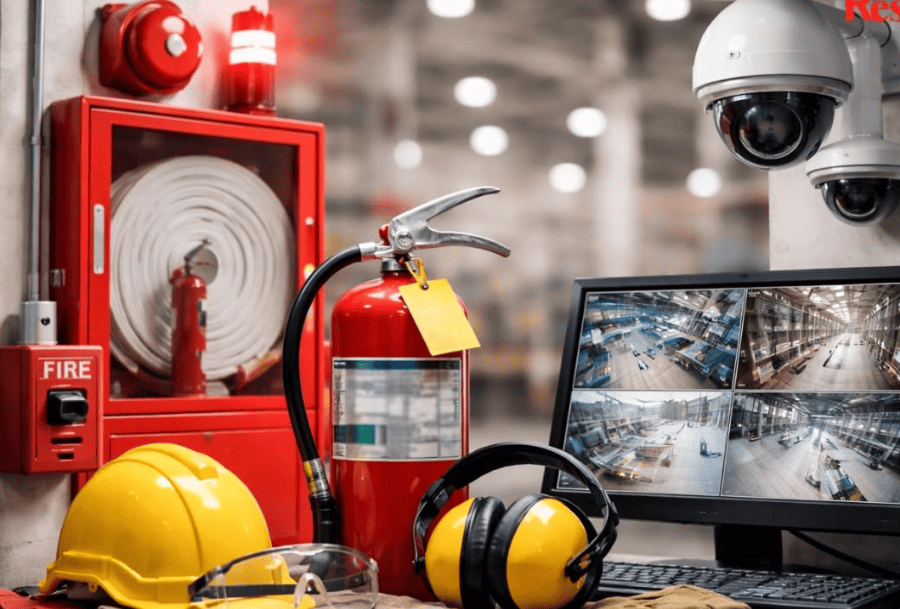
A professional contractor should maintain appropriate safety procedures and ensure that technicians understand the requirements associated with their work. Site inspections, equipment checks, testing procedures, and proper use of protective equipment all contribute to safer project execution.
Quality control is equally important. Reviewing installation work, testing systems, documenting results, and correcting defects before handover can help ensure that completed systems meet the required specifications.
Efficient Use of Time and Resources Contracting Services
Project delays can increase labor costs, affect schedules, and create difficulties for property owners and other contractors. Coordinating technical activities through an experienced contracting partner can help improve the use of time and resources.
A structured team can schedule different activities according to project priorities. For example, electrical and mechanical installations can be coordinated with civil works, interior works, equipment delivery, and final commissioning.
Better coordination can also help avoid duplicated work. When one contractor understands the relationship between different systems, installation sequences can be planned more efficiently. This can support smoother progress from the early stages of construction through final handover.
Maintenance That Supports Long-Term Performance Technical Services
A successful project does not end when installation is completed. Electromechanical equipment requires ongoing inspection, servicing, and maintenance to continue operating properly.
Technical maintenance services may include routine inspections, preventive maintenance, troubleshooting, repairs, equipment testing, and replacement of worn components. A planned maintenance program can help property owners identify potential problems before they result in major equipment failures.
For businesses, reliable maintenance can also support continuity. Heating, cooling, electrical distribution, pumps, ventilation, and other building systems may be essential to everyday operations. Keeping these systems in good condition can help reduce disruption and maintain a comfortable and functional environment.
A Practical Partner for Different Project Requirements Al Badran Group
Every project has different requirements, budgets, operating conditions, and technical challenges. A professional technical and electromechanical contractor should therefore be able to understand the specific needs of each client rather than relying on a one-size-fits-all approach.
The right partner can assess the project, identify technical requirements, coordinate specialist teams, and develop practical solutions. Whether the requirement involves a new installation, system upgrade, repair, maintenance program, or complete electromechanical package, experienced professionals can help organize the work effectively.
This flexibility is valuable for both new construction and existing properties. Older buildings may require upgrades, replacements, or improvements to improve reliability and efficiency, while new developments require careful coordination from the beginning.
Building Long-Term Value Through Professional Expertise Technical and Contracting Company
Choosing a technical and contracting company is an important decision because the quality of technical work can influence a property’s performance for years. Professional expertise, careful installation, effective coordination, safety practices, and dependable maintenance all contribute to long-term value.
An experienced electromechanical partner can simplify complex projects by bringing multiple technical disciplines together. For clients, this means fewer coordination challenges and a clearer line of responsibility.
Companies such as Al Badran Group can serve as a valuable option for clients seeking coordinated technical, contracting, and electromechanical support. By combining project understanding with technical capabilities and service-oriented support, an experienced contractor can help clients move from project planning to installation, commissioning, and ongoing maintenance with greater organization.
Ultimately, choosing the right technical partner is about more than completing an installation. It is about creating reliable systems, supporting safety and efficiency, controlling project requirements, and maintaining performance over time. A professional approach to technical and contracting work can provide the foundation needed for successful electromechanical projects across a wide range of industries and facilities.